On an e-bike or electric bicycle
, range is a key factor in defining the limits of your machine and the types of routes you can tackle. Here are some tips to help you maximize your battery's charge. Its capacity is important, but many other factors come into play: mechanics, the rider's own handling, and various external factors.
Factors that influence the range of an electric bike
Below are some aspects you can take advantage of to increase your bike's range:
Battery capacity
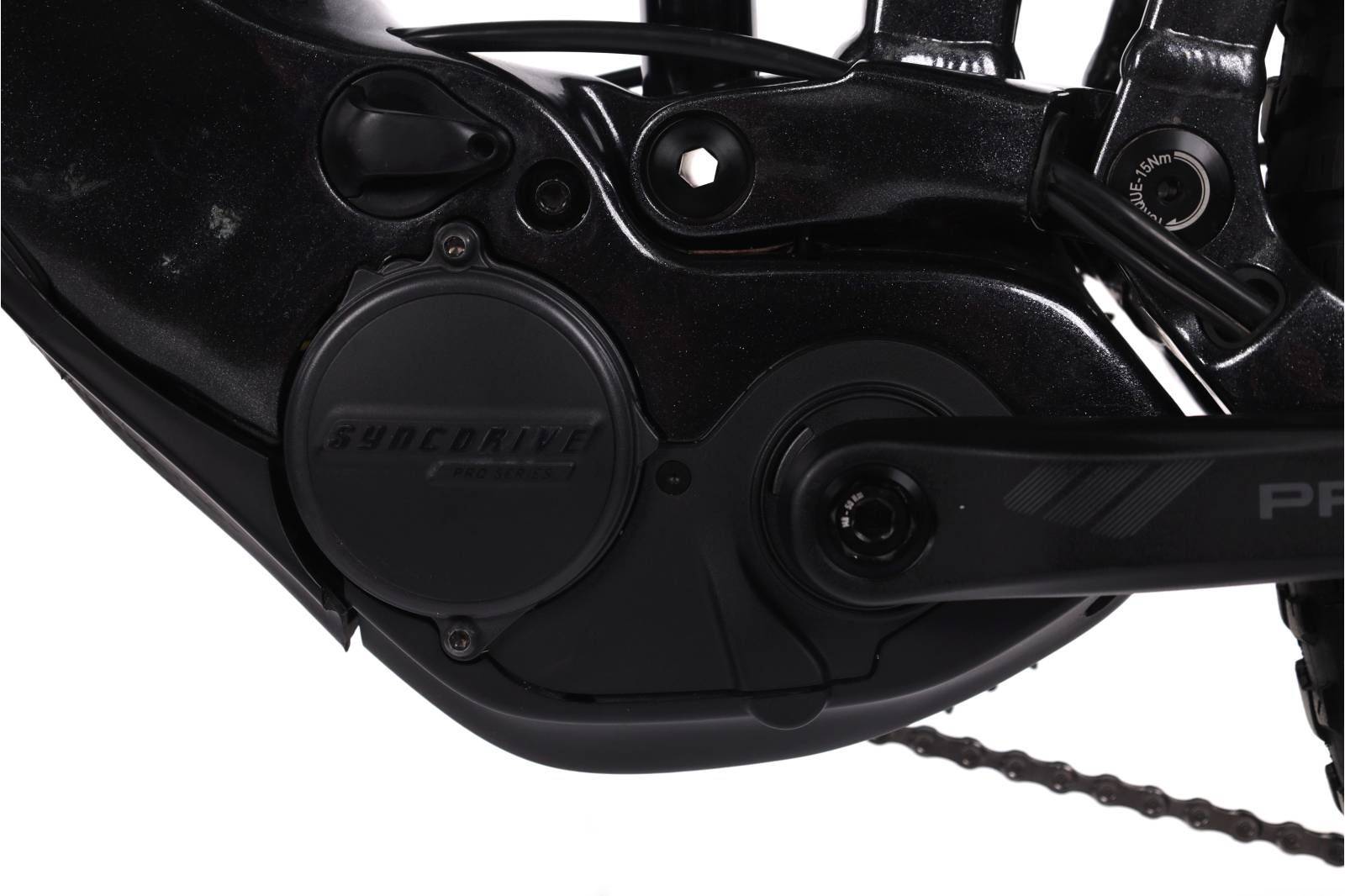
It is expressed in Wh (watt-hours) and indicates the amount of electrical energy the battery can produce and sustain over a certain period. Currently, you can find e-bikes with different battery capacities, depending on the model. Generally, they range from 250 Wh (electric city or folding bikes) up to 900 Wh (long-range electric MTBs).
Battery lifespan
Regardless of its capacity, a battery's range decreases with use and charging cycles. Depending on the model, they withstand between 500 and 1,000 full charges. But after three or four years of continuous use, an e-bike battery can suffer a loss of up to 30%.
Bike weight
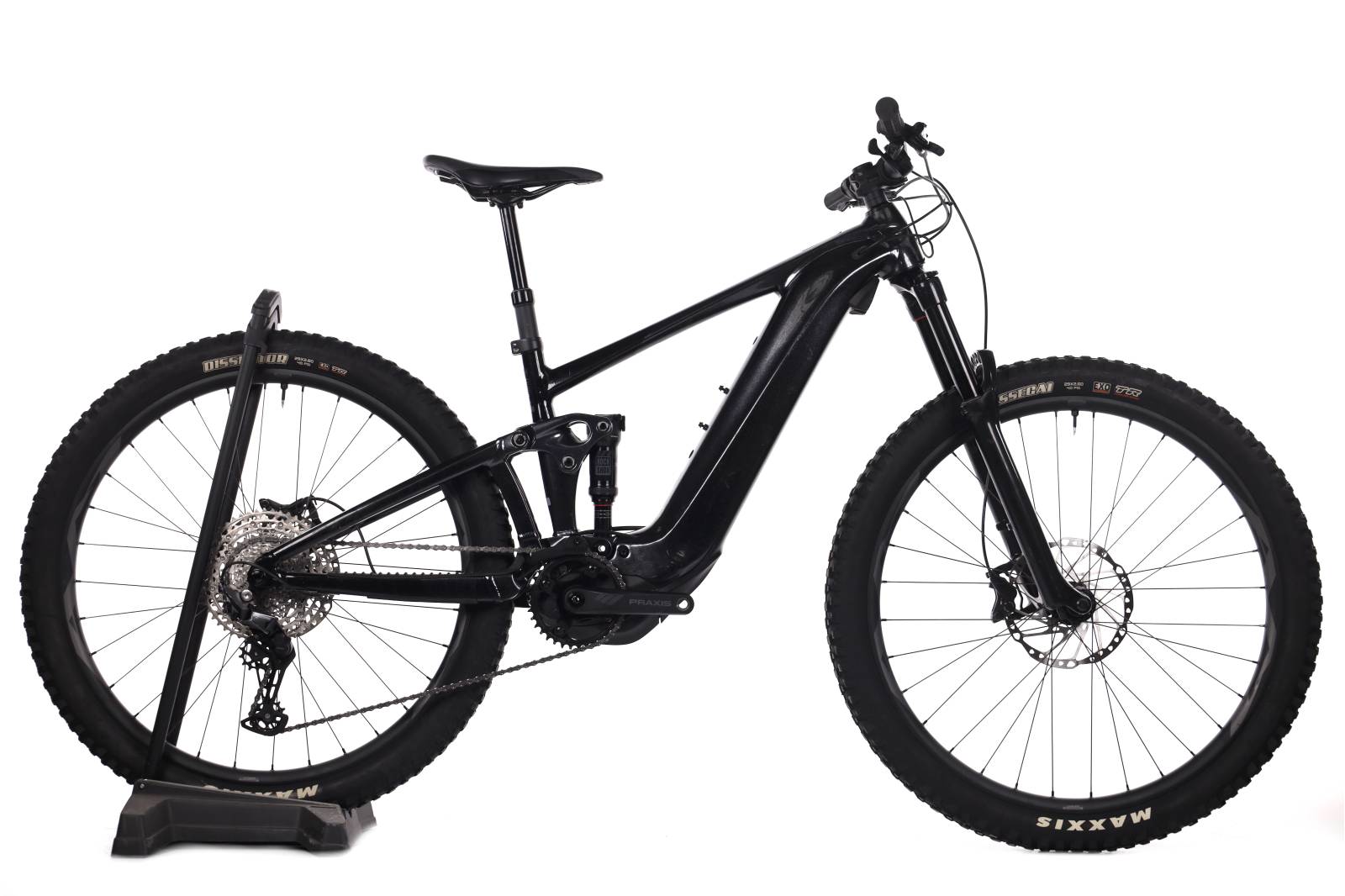
The weight of the bike is a decisive factor in calculating range. This value affects both the power output of the motor (expressed in Nm / newton·meter) and the battery's capacity. Both must be suited to the combined weight of the bike and rider. In recent years, the emergence of lightweight e-bikes (under 20 kg) has resulted in increased range thanks to a better relationship between the bike's weight and the battery's capacity.
Lightweight e-bikes optimize their range thanks to a better relationship between the bike's weight and the battery's capacity.
Type of motor
The motor of a certified e-bike must never exceed 250 W. That's why they all have the same power. What differentiates them is the way that power is delivered to assist pedaling at the initial moment (the so-called torque). This output is expressed in Nm (Newton meter). It is not limited by law and also influences the bike's range. In addition, the different assistance modes (different power outputs) and how often they are used also determine the actual range.
Efficient use and adjustment of the assistance modes is key to not wasting range.
The energy consumption is not the same when pedaling in Eco mode, with limited power output (about 30 to 50%), as when pedaling in superior mode (Boost or Turbo, at 100%). On the other hand, the most advanced e-bikes allow you to adjust the power output for each mode through software or apps specific. A high degree of customization that allows you to adapt your energy consumption to your needs.
Tire selection
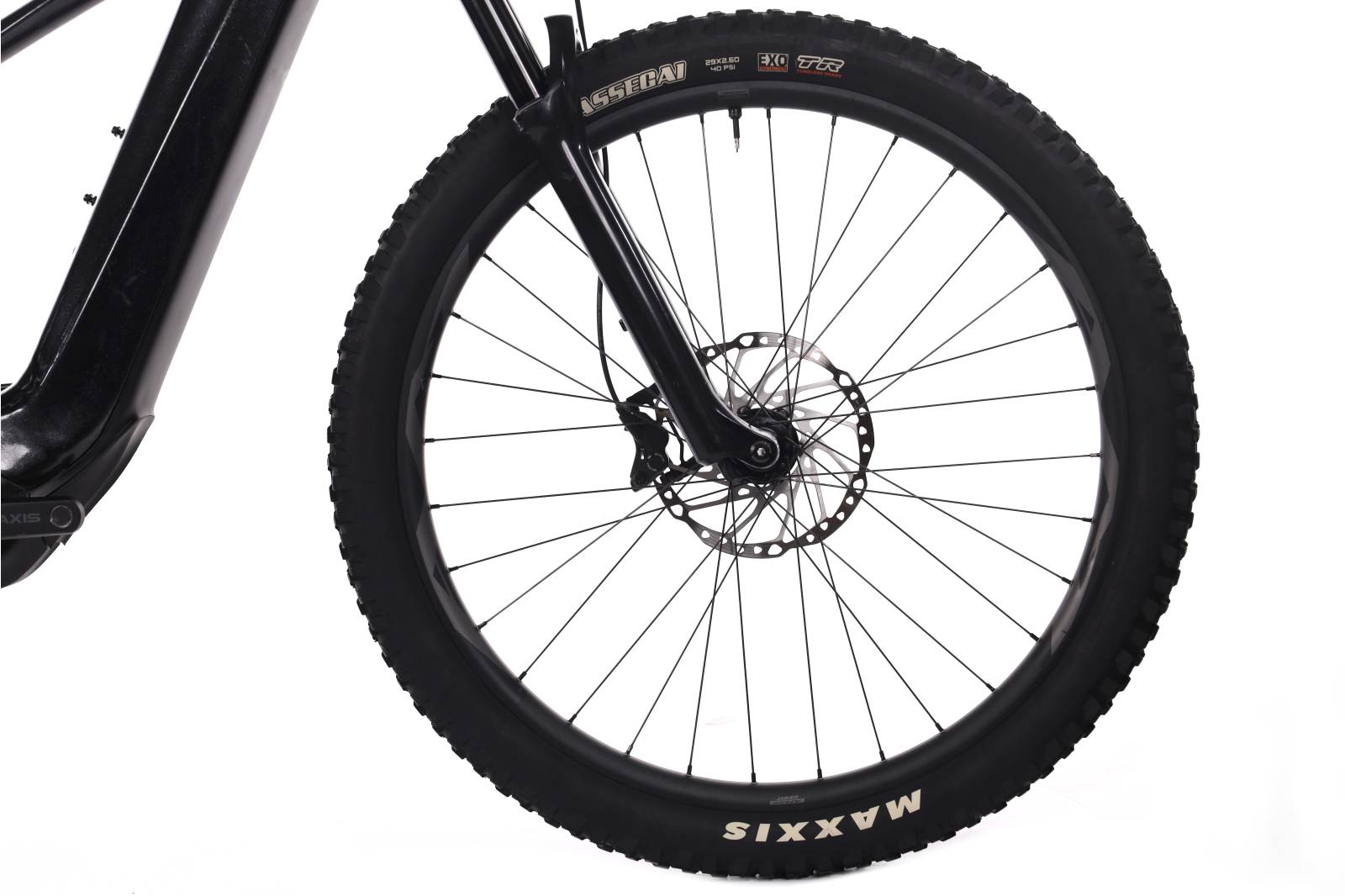
The tires clearly influence the range of an electric bike. After all, they are the contact and friction point of the vehicle with the ground. The greater or lesser contact surface will influence a greater or lesser demand for energy from the battery. The wider and larger the knobs, the higher the battery consumption needed to compensate for the friction of the tread.
Rider weight
The weight of the cyclist's own body, added to their gear and accessories, is a factor that clearly affects the range. According to data provided by Bosch, a leading manufacturer of e-bike motors, every kilo less of the cyclist translates to approximately 1 km more of range.
Riding style

The way the biker uses the electric assist system also affects the range. Some people are fine with assistance in the most economical or medium modes. Other riders need an extra push to overcome the same obstacles, which requires an superior assistance mode. As we mentioned before, using Turbo modes consumes more energy and substantially reduces the nominal range figures.
Route/type of terrain
The slope and terrain conditions (asphalt, dirt, gravel, rocks) are factors that powerfully influence the range. Switching from a flat or asphalt route to a rough and dirt or gravel one (of the same distance and under the same weather conditions) can cause a range reduction of approximately 15 to 20 km.
Weather conditions

The real range of an e-bike varies from season to season due to temperature, humidity, etc. In winter, it tends to last a little less than in summer. Wind also plays a role, requiring extra assistance to maintain a constant speed.
Tips to preserve your e-bike's range
Taking into account the factors described above, although even more could be added, you can use some tricks to save energy and preserve (and even increase) your e-bike's range. Saving energy will extend the battery's useful life and allow you to enjoy much longer rides. Here are the most relevant ones.
Don't run your battery down to the maximum
Don’t wait for the battery to reach 0%, even though it always has a safety charge that prevents it from being completely depleted. Also, don’t keep it charging longer than necessary, nor let it reach 100%. Between 80% and 100%, charging the cells is more costly because it must protect its parts from possible overcharging. An efficient charge would range between 20% and 80%. This way, the useful life of the battery is extended.
Wait a while before charging the battery
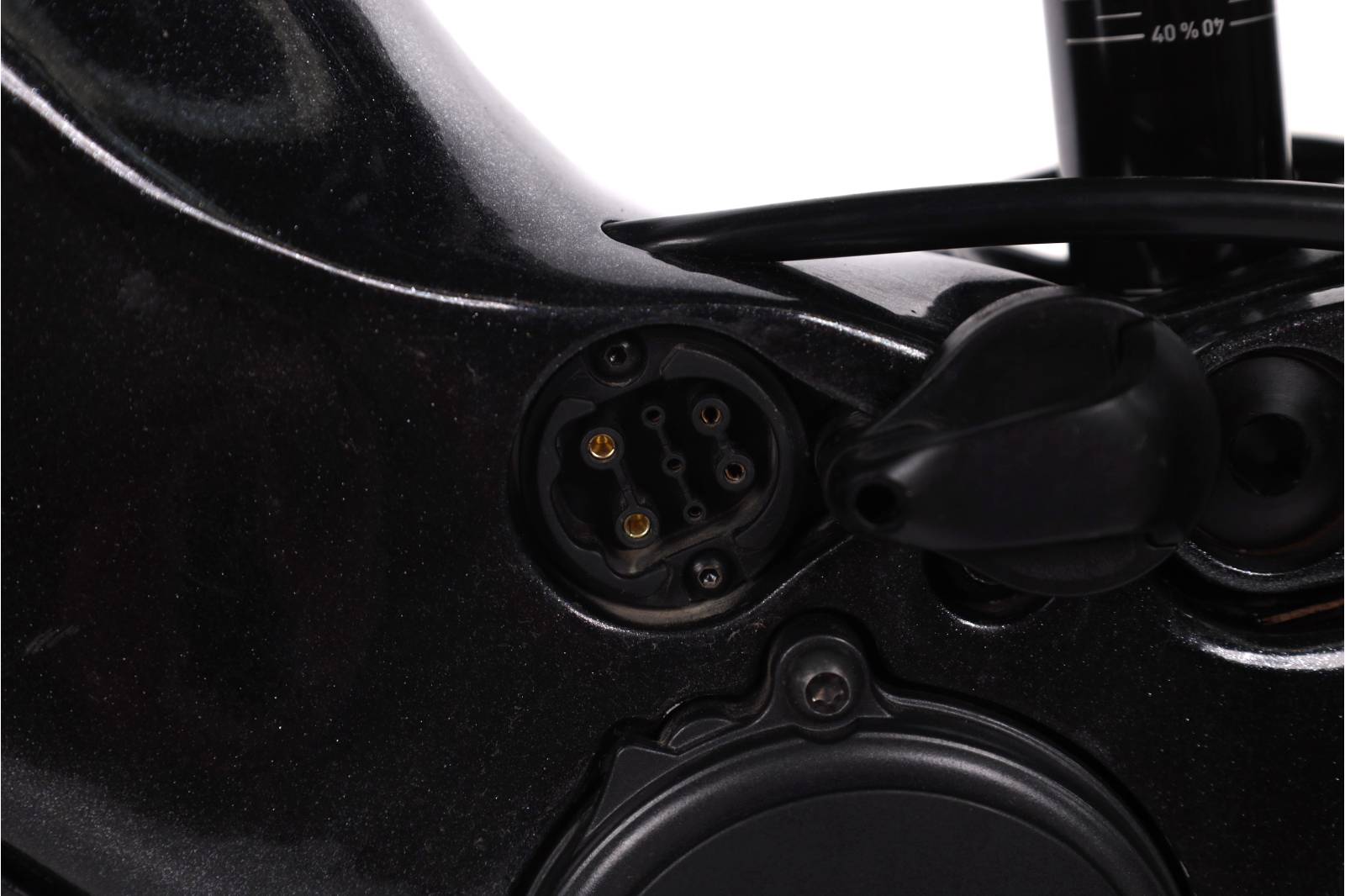
Don’t plug in the charger right after finishing your ride. The charging cells need time to go from the discharge phase to the charging phase. That’s why you should wait a few hours for them to cool down and adapt to the ambient temperature at rest. But don’t wait until the next day to charge it either, especially if you’ve used up almost all the energy.
Check the components of your e-bike (suspension, tire pressure, chain, etc)
Before each ride, and just like with any other bike, check key elements such as suspension, tire pressure, chain lubrication, etc. These are components that affect battery wear. Adjust the fork and shock absorber to the pressure recommended by the manufacturer and to the type of route you’re going to do. Keep the chain clean and well-lubricated, and inflate the tires with a pressure gauge pump before each ride. These are small details that will allow you to save dozens of kilometers.
Carry only the essential equipment
Don’t add more accessories, clothing, or food than strictly necessary. It’s important to be well equipped with spare parts and tools, especially if you’re heading into the mountains. But you need to find a balance so as not to add more weight to the bike. In this sense, we recommend carrying a compact multitool instead of several loose wrenches or chain breakers. You can also carry water in a hydration backpack and forget about bottles, to achieve a better weight distribution.
Use a battery extender
Many e-bikes are aimed at new horizons and long journeys. More and more models are compatible with extra portable batteries that add more capacity and range. If you like to ride for hours and hours with your e-bike, or do multi-day routes, we recommend buying an extender. They are usually installed in the bottle cage area, attached to the seat tube, etc. It’s more economical than an original battery and can be easily transported in a backpack or carrying bag.
Ride efficiently
It is not advisable to demand the maximum from the assistance system. Riding as a rule in Turbo mode, overusing the Walk mode to push your bike while walking, doing skids... All these actions will quickly wear out the battery. Use the assistance modes wisely: Eco and Trail (30-70% assistance) for flat terrain, gentle climbs or slightly technical sections, and Boost for specific moments of maximum demand (uphill trails, steep slopes, etc.). Remember that your e-bike will not save you from pedaling and spending your own energy. Remember that we are talking about pedal-assist bicycles, not mopeds.
📺 Easy tips. In this video from Track MTB
, some tips on efficient e-bike riding and how to extend your range.
Stay in shape and train
Getting an electric bike can lead us to the false belief that we will be able to tackle any route without the need to train. This is false. For starters, demanding too much from your mountain e-bike
means wasting its range and reducing the battery's lifespan. Therefore, we can save energy by putting in a bit more of our own. We recommend that you be consistent with your electric bike rides, pedal efficiently, take care of your body by eating and hydrating well, and train your technique on obstacle sections, climbs, etc. This will allow you to improve more on the bike, with direct benefits for its range.
 Tuvalum Team