The revolution of disc brakes in road cycling
For years, rim brakes were the standard on road bikes. However, technological advances from mountain biking (MTB) changed the landscape. Disc brakes, more powerful and safer, gradually became dominant in the professional peloton until they took over the current market.
Brief history: from MTB to the professional peloton
The first disc systems came from the MTB world, where muddy conditions, rain, or technical descents required braking power and consistency.
Starting in 2016, the main brands —Specialized, Trek, Canyon or Orbea— began introducing them in their road models, and in 2018 the UCI officially authorized their use in competition. Since then, disc brakes have become the norm.
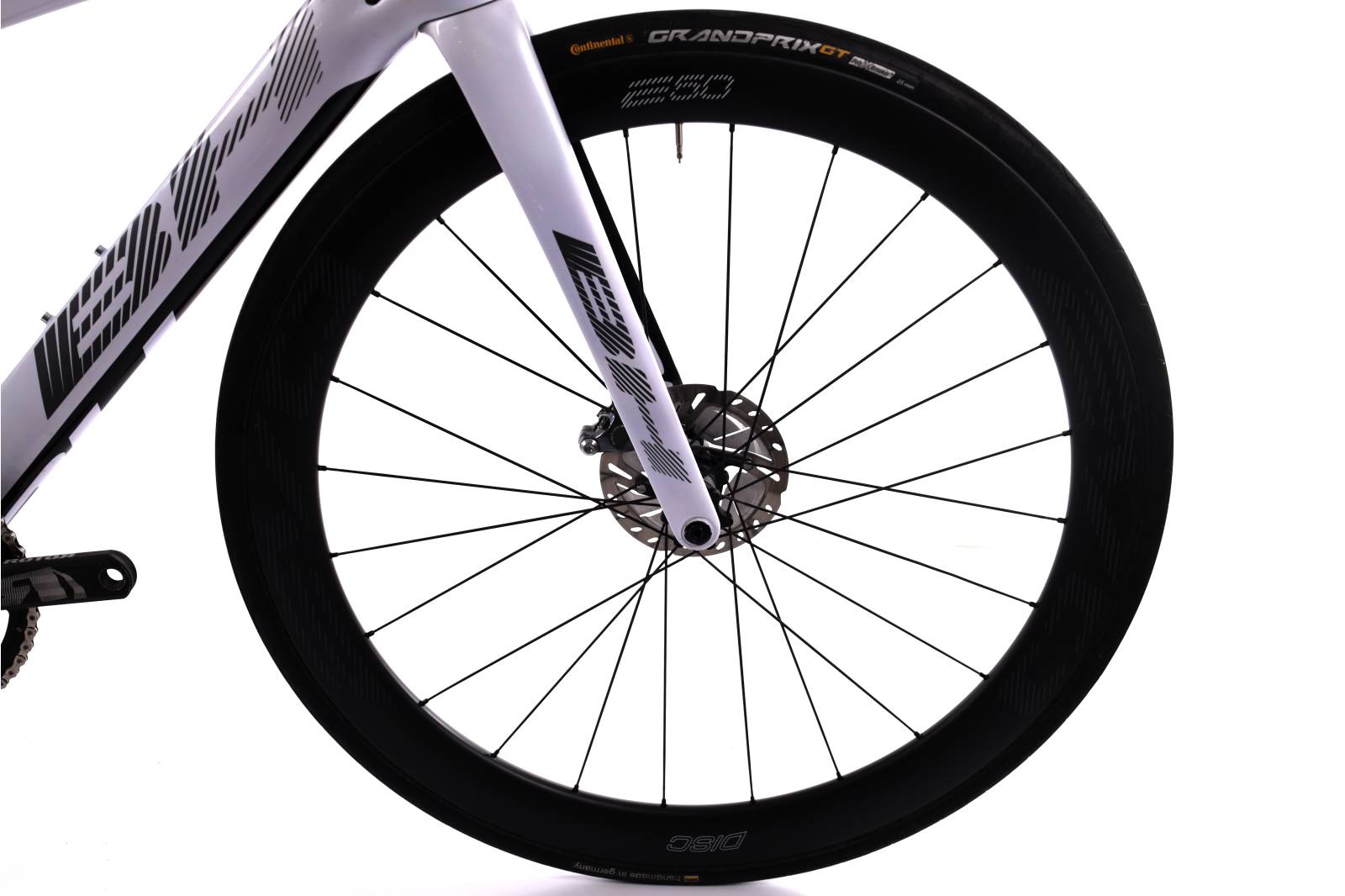
How do disc brakes work?
A disc brake system acts on a metal rotor attached to the wheel hub. The caliper, using pads, generates friction that stops the movement.
Types of disc brakes
-
Mechanical (cable): more affordable, simple maintenance, but less power and modulation.
-
Hydraulic (oil): greater power, finer control, and progressive feel. They use mineral oil or DOT depending on the manufacturer.
Basic components
The main elements are:
-
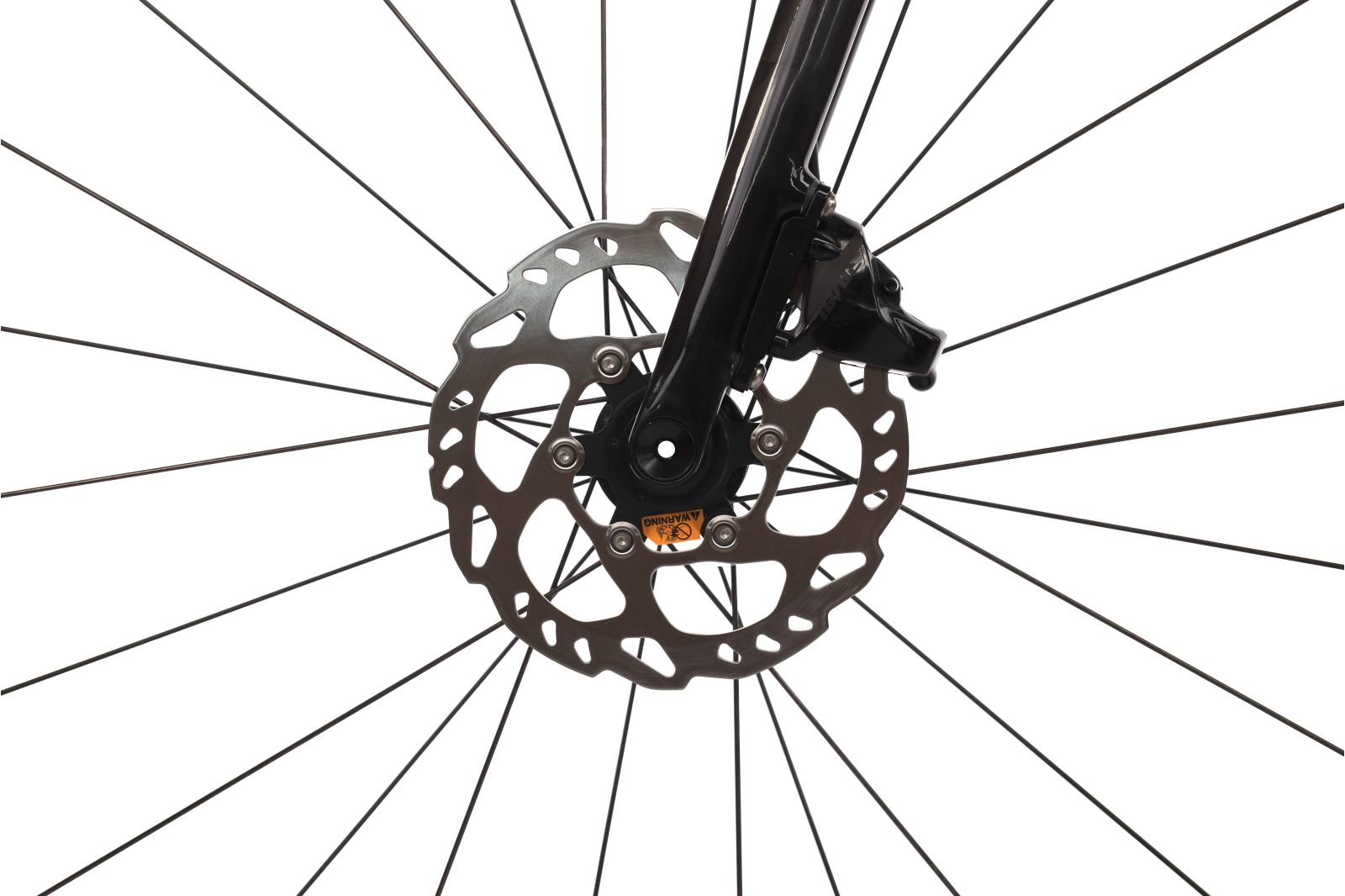
Caliper: where the pads are housed.
-
Disc or rotor: the metal element on which pressure is applied.
-
Pads: resin or metallic, depending on the type of use.
-
Lever: transmits hydraulic pressure or cable movement.
The most common disc sizes are 140 mm and 160 mm, with the latter being more frequent among heavier riders or routes with steep gradients.
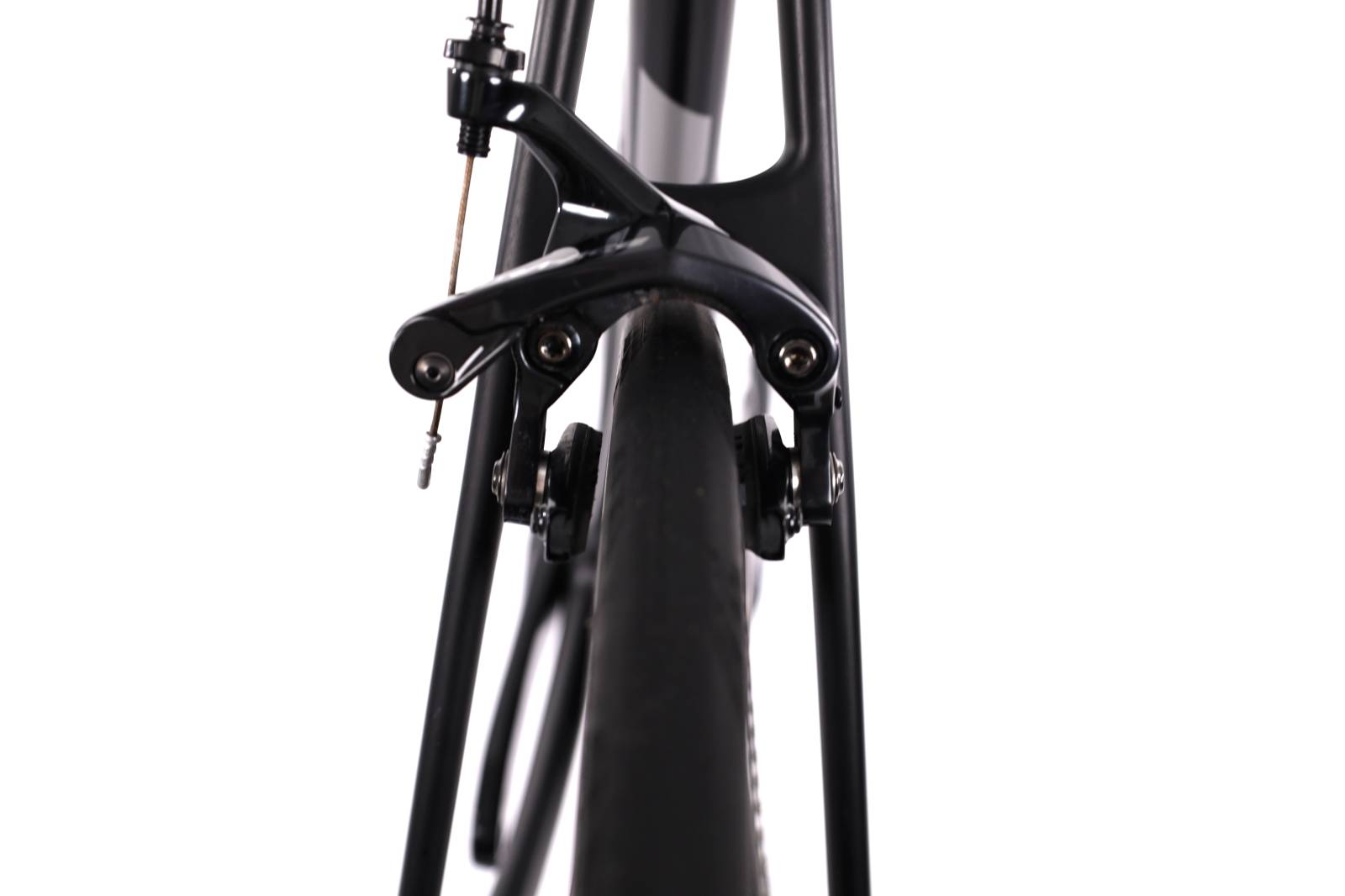
Advantages of disc brakes on road bikes
1. Braking power Braking superior in all conditions
Disc brakes offer consistent performance in any weather. Neither rain nor mud reduces their effectiveness. In addition, they allow you to brake later and with greater precision on steep descents.
2. Safety and precision
Modulation —the ability to control braking force— is very superior compared to rim brakes. This translates into fewer wheel lockups and greater confidence in corners or technical sections.
3. Better heat management and durability
Rotors ventilate better and dissipate the heat generated on long descents, reducing the risk of overheating and premature wear. Pads last longer and maintain a more consistent feel.
4. Less rim wear
By braking on the rotor and not on the rim, the rim does not suffer erosion. This is a key advantage on carbon wheels, where heat can deform the material.
5. Cleaner design and consistent performance
Modern frames and forks are designed for disc brakes, which provides greater stiffness, integration, and modern aesthetics. In addition, their compatibility with thru-axles improves alignment and overall stability.
Disadvantages of disc brakes on the road
1. Higher total system weight
The system (calipers, rotors, fluid, adapters) adds between 300 and 400 more grams compared to rim brakes. On routes with lots of climbing, this difference can be noticeable.
2. More complex maintenance
Hydraulic systems require periodic bleeding, pad replacement, and caliper adjustment. While not complicated, it does require more time or basic mechanical knowledge.
3. Risk of noise or rubbing
A slight rotor misalignment or wheel change can cause rubbing and annoying noises. Also, rotors can deform from heat if not properly cared for.
4. Purchase and replacement cost
Bikes with disc brakes usually have a higher initial price superior. Replacements —rotors, calipers, or pads— are also somewhat more expensive than rim brake equivalents.
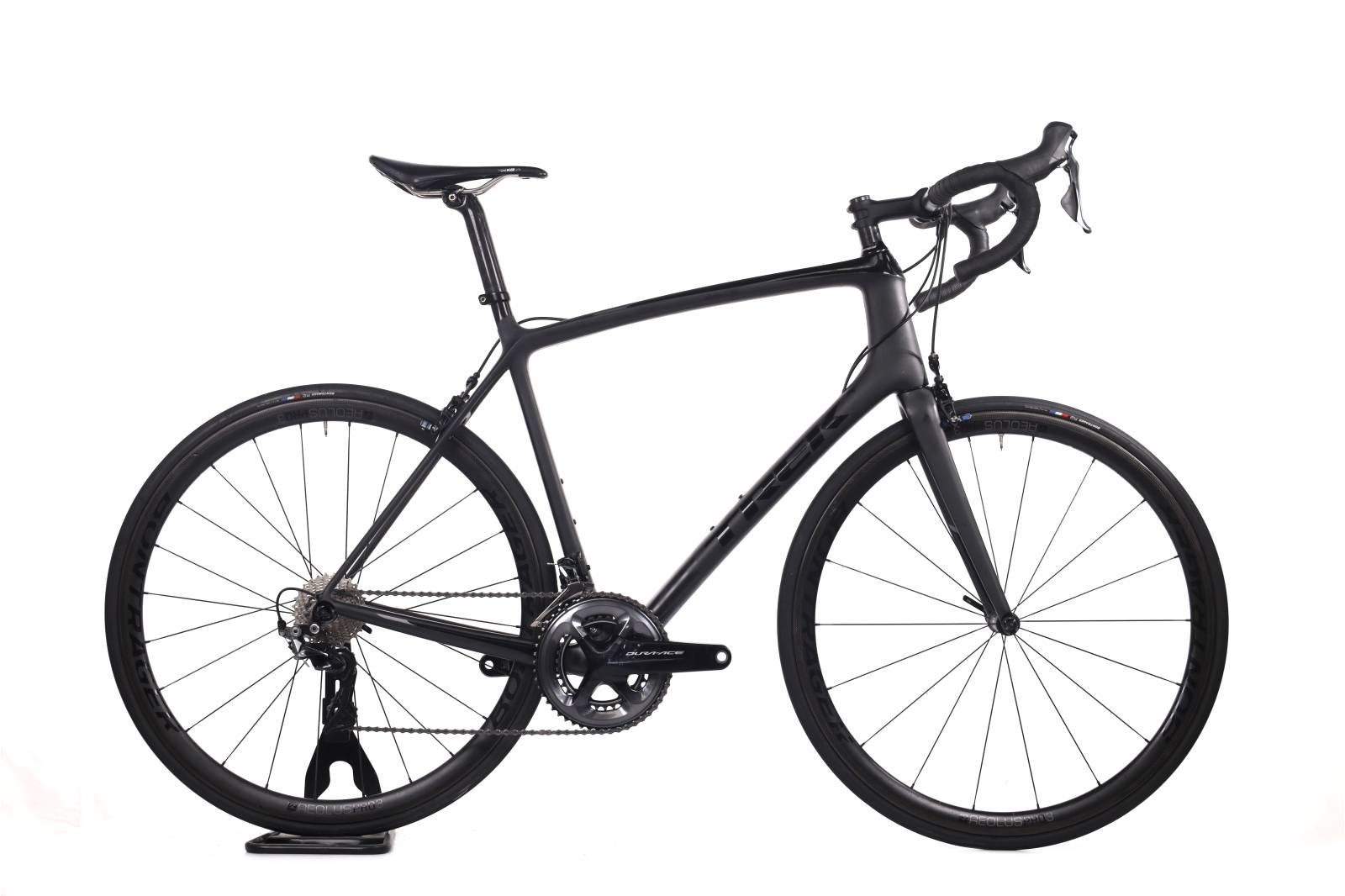
Is it worth switching to disc brakes?
It depends on the type of cyclist and the use.
-
Yes, it is worth it if you do long rides, live in humid areas, or do prolonged descents.
-
It is not essential if you use the bicycle for recreational purposes or in dry and flat climates.
In the medium and long term, disc brakes represent an investment in safety and reliability, especially if you plan to keep the bike for several years.
Basic maintenance and care tips
To maintain braking power and avoid problems:
-
Keep discs and pads clean, free of grease and contaminants.
-
Avoid touching the rotors with bare hands.
-
Check the centering after each wheel change.
-
Perform a hydraulic system bleed at least once a year.
-
Choose suitable pads: resin for recreational or dry use, metallic for wet climates or frequent descents.
Good maintenance not only improves braking, but also reduces wear and noise.

Disc brakes have transformed road cycling. They offer more powerful, safer, and more controlled braking, regardless of weather or terrain.
In exchange, they require a bit more maintenance and add a slight increase in weight. But for most cyclists, the benefits far outweigh the drawbacks.
If you are thinking of upgrading your bike or getting a new one, at Tuvalum you will find road bikes with disc brakes from the best brands —Canyon, Orbea, Specialized or Giant—, inspected and certified, ready to ride with maximum safety.
 Tuvalum Team